
SUPPORTING LIVING ORGAN DONORS NATIONWIDE
They give a piece of themselves to save another life.
We help them make ends meet during recovery.
Living organ donors give an extraordinary gift. The Meredith Haga Foundation provides financial assistance to help ease the burdens of donation and recovery, so donors can focus on healing.

Helping Living Organ Donors from Coast to Coast
We work with all 250 transplant centers, in addition to associated organizations such as DOVE and Project Donor. Even if you received some funding from National Living Donor Assistance Center, American Living Organ Donor Fund amoung others
UCSD San Diego Health
Cedars-Sinai
Henry Ford
University of Michigan
Cinncinati Childrens
Mount Sinai Recanati/Miller
VCU Hume-Lee
Duke University Hospital
Click here to Check out our complete service map
Meredith: Her Legacy, Our Mission
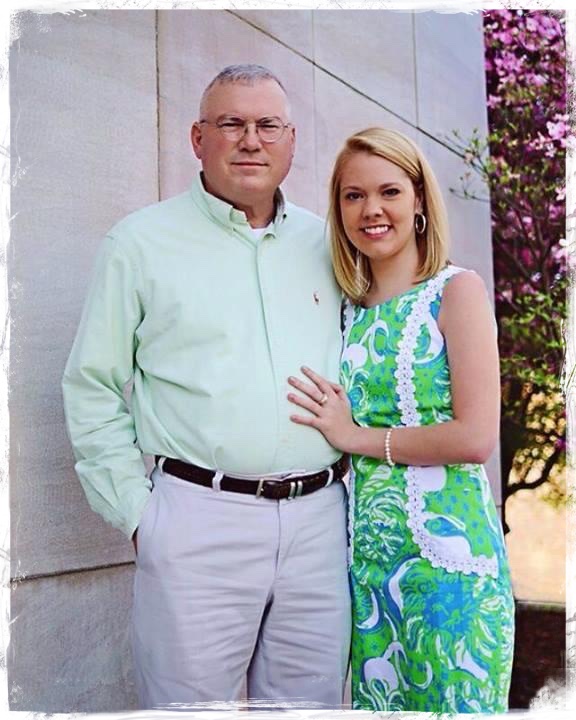
The Meredith Haga Foundation was founded in 2019 to honor the life and legacy of Meredith.
Her life was a gift. Her legacy is our mission.
Meredith Haga believed that the gift of life was meant to be shared. After receiving a life-saving kidney transplant, she dedicated her life to helping others experience that same gift. Today, the Foundation continues her passion by supporting the living donors, with financial assistance, who make second chances possible; educating communities regarding the power of each of us to save lives; and registering to be an organ donor.
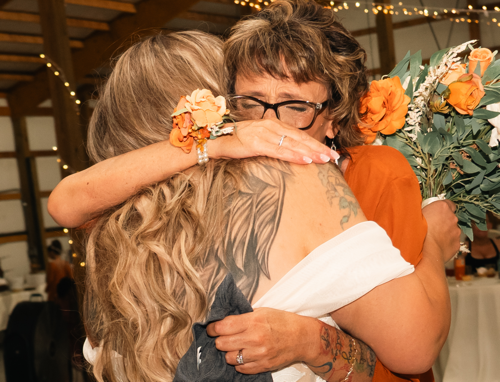
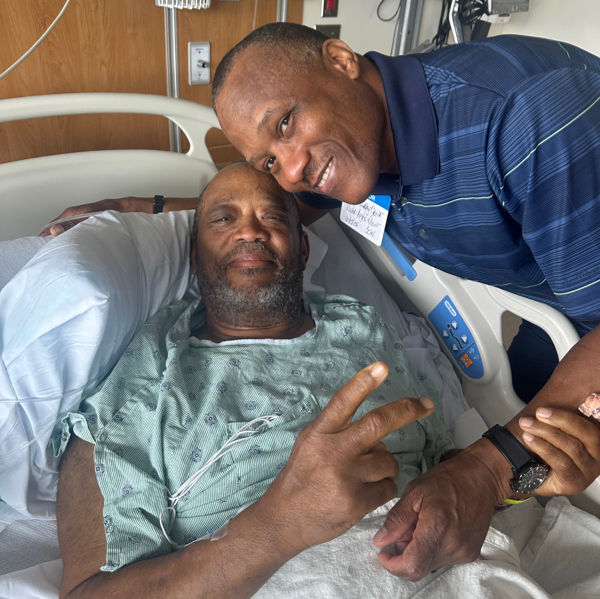
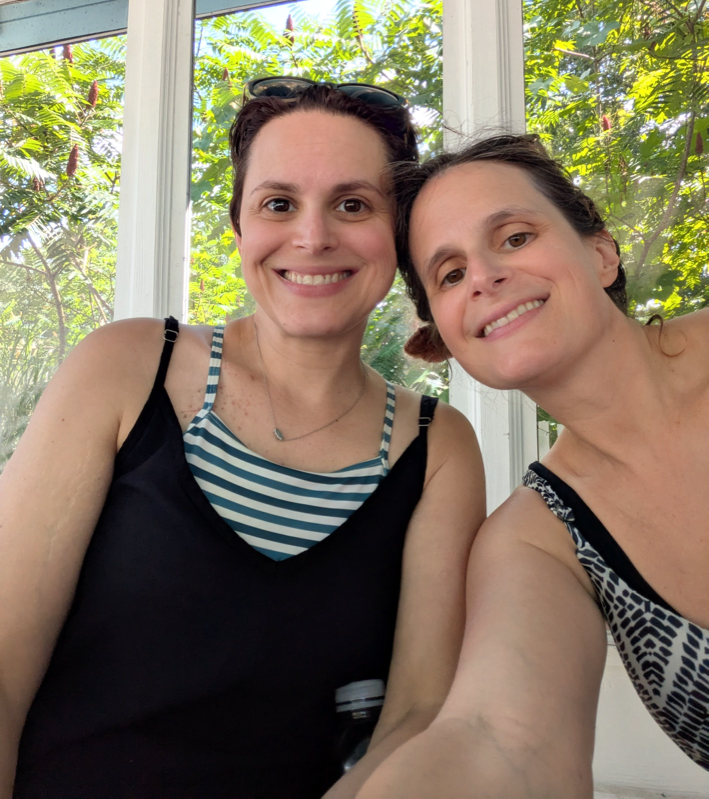
Thank you from the bottom of my heart for the support you have given my family and me as we navigated the early weeks of my experience as a living donor for my sister. Your work is noble and deeply appreciated.
Thank you for helping ease some of the financial strain of giving another the gift of life and time.
How we help Living Donors - Our Program

Financial Assistance
Education
Warmth & Comfort
Be an Organ Donor
Frequently Asked Questions
Do Living Donors Get Paid
Who Pays for the Living Donation
The organ recipient’s health insurance (including private insurance, Medicare, or Medicaid) generally pays for the living donor's medical expenses.
What is Expenses are Not Covered
- Routine healthcare: General health screenings not required for the donation (such as mammograms, routine OB-GYN visits, or colonoscopies).
- Travel and lodging: Transportation, hotels, and meals for the donor and their family.
- Lost wages: Income lost while recovering from surgery.
- Dependent care: Childcare or eldercare expenses during recovery
- Typical monthly expenses: lMortage/Rent, Phone, Auto-Home-Health Insurance, Car, Pet Care, Food, etc.
How Long is Recovery
- Hospital Stay: 1 to 3 nights (typically 2 days).
- At-Home Recovery: 2 to 4 weeks of resting and light daily activity.
- Return to Work: 3 to 6 weeks, depending on whether you have a desk job or a physically demanding job.
- Restrictions: No driving for the first 2 weeks; no heavy lifting (over 10–20 pounds) for 4 to 6 weeks.
- Full Recovery / Exercise: 4 to 6 weeks to resume normal exercise and full physical activity